



EG-AR-NBE-INSTALLMENT-OFFERS-20260809البرنامج الأساسي لتقسيط مشتريات بطاقات البنك الأهلي المصري مؤكد للعمليات التي تبدأ من 500 جنيه، بمدد من 3 إلى 36 شهراً وعمولة خدمة تُحدد حسب المدة. أما عبارة «بدون فوائد» أو أي مدة أطول فتخص عرض تاجر محدداً بشروط وتاريخ انتهاء واضحين، ولا يجوز تعميمها على كل البطاقات أو المشتريات. لذلك يبدأ القرار الصحيح بتحديد نوع العرض قبل الشراء، ثم حساب العمولة والأثر على الحد الائتماني، ثم الاحتفاظ بمستندات الإلغاء أو الاسترداد.
لو معاك بطاقة ائتمانية من البنك الأهلي المصري، تقدر تستخدمها في التقسيط على نون مصر مباشرة — البنك الأهلي من ضمن البنوك المشاركة في خدمة التقسيط عندهم.
- تقسيط بدون فوائد حتى 36 شهر
- البنك الأهلي المصري · بنك مصر · سي آي بي · إتش إس بي سي · إمارات دبي الوطني
- الدفع أيضًا عبر فاليو أو المحفظة الإلكترونية أو عند الاستلام
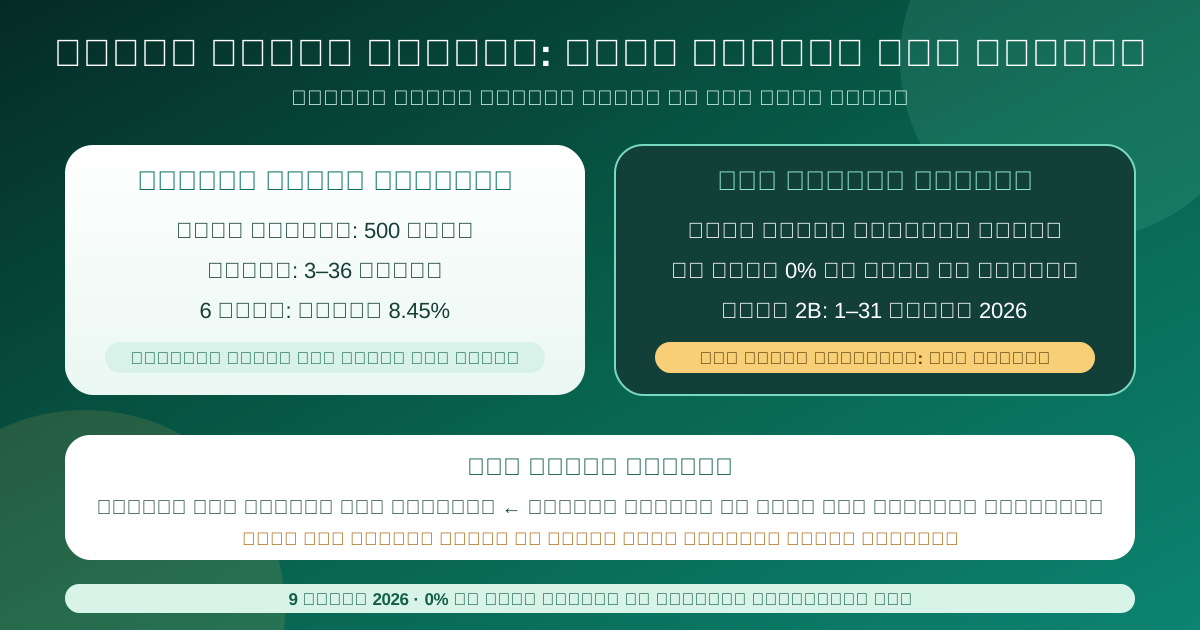
أول سؤال قبل الشراء: برنامج البنك أم عرض التاجر؟
في البرنامج الأساسي للبنك الأهلي المصري يمكن لحامل بطاقة ائتمان أصلية أو إضافية طلب تقسيط حركة شراء فعلية تمت داخل مصر أو خارجها، حتى لو لم يكن التاجر ضمن شبكة عروض البنك. الحد الأدنى المؤكد للحركة هو 500 جنيه، والمدة المتاحة تُختار من 3 أو 6 أو 9 أو 10 أو 12 أو 18 أو 24 أو 30 أو 36 شهراً. يجب طلب التحويل سريعاً بعد ظهور الحركة والتأكد من أهلية تاريخها لدى البنك، لأن الصفحات الرسمية لا تعرض مهلة واحدة متطابقة في جميع النسخ.
عرض التاجر المؤقت يعمل بطريقة مختلفة: يحدد اسماً وموقعاً وفترة سريان وبطاقات أو فروعاً مشاركة، وقد يمنح 0% فائدة مع مصاريف إدارية أو من دونها. مثال مؤرخ فقط: عرض 2B المنشور للفترة من 1 إلى 31 أغسطس 2026 يتيح 6 أشهر بفائدة 0% ومقدم 0% ومصاريف إدارية 0% وفق شروط الحملة. هذا المثال لا يثبت استمرار العرض بعد 31 أغسطس، ولا يجعل عروض رنين أو أي تاجر آخر مطابقة له.
| نوع العملية | المدة | التكلفة أو الشرط | ما يجب التحقق منه |
|---|---|---|---|
| برنامج تقسيط المشتريات الأساسي | من 3 إلى 36 شهراً | عمولة خدمة لمرة واحدة حسب الجدول أدناه؛ الحد الأدنى 500 جنيه | أن تكون الحركة مشتريات على بطاقة ائتمان NBE وأن يسمح تاريخها بالتحويل |
| عرض تاجر مؤقت بدون فوائد وبدون رسوم | المدة المكتوبة في الحملة فقط | قد تكون 0% فائدة و0% مصاريف إدارية، كما في مثال 2B خلال أغسطس 2026 | التاجر والفرع والبطاقة وتاريخ البداية والنهاية وطريقة تنفيذ العرض |
| عرض بدون فوائد مع مصاريف إدارية | تختلف حسب التاجر | سعر الفائدة 0% لا يعني أن التكلفة الإجمالية صفر | نسبة المصاريف، توقيت خصمها، وهل السعر النقدي يختلف عن سعر التقسيط |
| استرداد شراء مقسط | وفق سياسة التاجر والبنك | يرد التاجر القيمة إلى البطاقة، لكن خطة البنك لا تُغلق تلقائياً | إيصال الاسترداد، الرصيد الدائن، الأقساط الباقية، وتسوية الخطة مع البنك |
| تأخر عن القسط أو الحد الأدنى | من تاريخ الاستحقاق | يُطبق عائد البطاقة ورسوم التأخير وفق التعريفة وكشف الحساب الساريين | إجمالي المستحق، تاريخ السداد، أثر التأخير على البطاقة والسجل الائتماني |
عمولة البرنامج الأساسي: رقم يُخصم مرة واحدة
تعريفة خدمة التقسيط تربط العمولة بمدة الخطة، وتُحتسب كنسبة من مبلغ حركة الشراء. هذه العمولة ليست «قسطاً إضافياً كل شهر»؛ بل تكلفة خدمة تُخصم مرة واحدة عند ربط العملية، بينما يُوزع أصل المشتريات على الأقساط. لا تستخدم معدل عائد سنوي من منشور قديم، لأن نسخ التعريفات المتاحة تعرض أرقاماً متعارضة؛ اطلب التكلفة النهائية التي ستظهر على بطاقتك قبل تأكيد الخطة.
| مدة التقسيط | عمولة الخدمة من مبلغ الحركة | عمولة عملية قيمتها 10,000 جنيه |
|---|---|---|
| 3 أشهر | 4.95% | 495 جنيهاً |
| 6 أشهر | 8.45% | 845 جنيهاً |
| 9 أشهر | 11.78% | 1,178 جنيهاً |
| 10 أشهر | 12.86% | 1,286 جنيهاً |
| 12 شهراً | 14.95% | 1,495 جنيهاً |
| 18 شهراً | 20.83% | 2,083 جنيهاً |
| 24 شهراً | 26.16% | 2,616 جنيهاً |
| 30 شهراً | 31.00% | 3,100 جنيه |
| 36 شهراً | 35.40% | 3,540 جنيهاً |
في مثال 10,000 جنيه على 6 أشهر، تبلغ عمولة الخدمة 845 جنيهاً، ويكون أصل كل قسط نحو 1,666.67 جنيه قبل أي مستحقات أخرى على البطاقة. لا تقارن هذا الرقم بقسط عرض تاجر قبل معرفة ما إذا كان العرض يعفي العمولة فعلاً. ويمكن مراجعة دليل بطاقات ائتمان البنك الأهلي المصري لفصل رسوم البطاقة العامة عن تكلفة خطة التقسيط نفسها.
ما البطاقات والمشتريات التي تدخل في الخدمة؟
الخدمة الأساسية مرتبطة ببطاقات الائتمان الصادرة عن البنك الأهلي المصري، بما فيها البطاقات الأصلية والإضافية والفئات المضمنة وغير المضمنة. يجب أن تكون الحركة مشتريات حقيقية على البطاقة؛ بطاقات الخصم المباشر لا تنشئ ديناً ائتمانياً للتقسيط، والسحب النقدي له برنامج وتعريفة مختلفان ولا يدخل في هذا الدليل.
وجود حد ائتماني كافٍ شرط عملي حتى بعد الموافقة على الخطة، لأن مبلغ الشراء يحجز من الحد ثم يعود الجزء المتاح تدريجياً مع السداد. قبل شراء جهاز أو أثاث بقيمة كبيرة، افحص الرصيد المتاح وليس الحد الأصلي المطبوع في عقد البطاقة. وللمقارنة بين الدين الائتماني والخصم المباشر، يوضح دليل بطاقات الائتمان في مصر أثر كل نوع على المستحق الشهري.
قبل تمرير البطاقة لدى تاجر مشارك
- حدد المسار: هل التقسيط يُفعل وقت الشراء أم بعد تسجيل الحركة لدى البنك؟
- صور شروط الحملة: اسم التاجر، المدة، تاريخ الانتهاء، البطاقات المشاركة والمصاريف.
- ثبت سعر السلعة: قارن السعر النقدي بسعر التقسيط قبل حساب النسبة.
- راجع الحد المتاح: التقسيط لا يخلق حداً ائتمانياً جديداً.
- احتفظ بالإيصال: ستحتاجه إذا حدث إلغاء أو استرداد أو نزاع.
الإلغاء والاسترداد: عمليتان منفصلتان
إذا أعاد العميل السلعة، فالتاجر هو المسؤول عن قبول الإرجاع وتنفيذ حركة Refund إلى البطاقة المستخدمة؛ لا يُفترض رد القيمة نقداً خارج مسار البطاقة. لكن وصول مبلغ الاسترداد كرَصيد دائن لا يعني أن البنك أغلق خطة التقسيط. قد تستمر الأقساط في الظهور، وقد تبقى عمولة الخدمة الأصلية غير قابلة للرد.
لهذا يجب الاحتفاظ بإيصال إرجاع السلعة، ثم طلب بيان واضح من البنك عن أصل المبلغ المتبقي والعمولة وحالة الخطة. لا تعتمد على أن الرصيد الدائن «سيسدد كل شيء تلقائياً»، ولا تطلب إلغاء البطاقة قبل معرفة أثر ذلك على كامل المديونية. دليل تقسيط البنك الأهلي بدون فوائد يشرح لماذا تتغير نتيجة الإلغاء باختلاف شروط الحملة.
مسار شراء ثم استرداد
- الشراء: احصل على إيصال يبين المبلغ ونوع عرض التقسيط.
- ربط الخطة: راجع كشف الحساب للتأكد من العمولة والمدة والقسط.
- إرجاع السلعة: اطلب من التاجر إيصال Refund إلى البطاقة نفسها.
- مطابقة الحساب: تحقق من ظهور الرصيد الدائن ومن استمرار أو توقف الأقساط.
- تسوية البنك: اطلب مبلغ الإغلاق وحالة العمولة، واحفظ رقم الشكوى أو المرجع.
التأخر عن السداد لا يخص القسط وحده
كشف البطاقة قد يطالب بقسط الخطة بالإضافة إلى الحد الأدنى لباقي مديونية البطاقة. إذا لم يُسدد المستحق في موعده، تُطبق تكلفة البطاقة العادية ورسوم التأخير وفق التعريفة وكشف الحساب الساريين، وقد تتوقف البطاقة مع استمرار الدين. لا تنقل رقماً قديماً لغرامة التأخير إلى حسابك؛ راجع بند الرسوم في كشف الشهر نفسه.
عند وجود قسط غير صحيح أو عمولة لم تكن ضمن العرض، ابدأ بشكوى إلى البنك الأهلي المصري واحصل على رقم مرجعي. قواعد حماية عملاء البنوك لدى البنك المركزي المصري تمنح البنك 15 يوم عمل للرد، مع استثناء المعاملات التي تحتاج جهة خارجية بعد إخطار العميل بالمدة. إذا لم يرد البنك أو رفض العميل الرد النهائي بعد إعادة الفحص، يمكن التصعيد إلى البنك المركزي المصري مع رقم الشكوى والمستندات.
صفحة خدمة تقسيط مشتريات بطاقات البنك الأهلي هي المرجع التشغيلي للبرنامج الأساسي، بينما تتغير العروض الشهرية للبنك الأهلي حسب الفترة والتاجر. وتوضح قواعد حماية عملاء البنوك لدى البنك المركزي المصري ترتيب الشكوى والتصعيد.
الخلاصة: متى يكون العرض مناسباً؟
يكون برنامج البنك مناسباً عندما تحتاج إلى توزيع شراء مؤهل ولا تجد عرض تاجر أرخص، وتستطيع دفع القسط مع الحد الأدنى لباقي البطاقة. ويكون عرض التاجر أفضل فقط عندما تثبت شروطه المكتوبة أن السعر والمصاريف والإجمالي أقل. توقف قبل الشراء إذا لم تعرف من يفرض العمولة، أو إذا استهلكت العملية معظم الحد الائتماني، أو إذا لم تستطع تحمل قسط شهر ضعيف الدخل.