


ALBARAKA-DIGITAL-EG-20260801يوفر بنك البركة مصر قناة رسمية للخدمات المصرفية عبر الويب وتطبيقًا للأفراد باسم alBaraka Bank Egypt Mobile. الوظائف المؤكدة تشمل عرض الأرصدة وحركة الحساب، التحويل بين حسابات العميل وإلى حسابات داخل البنك وبنوك محلية أخرى، طلب دفتر شيكات، تسوية مستحقات البطاقة، متابعة الودائع وإرسال استفسار أو شكوى عبر قناة مراسلة آمنة.
الكيان العامل في 2026 هو بنك البركة مصر ـ شركة مساهمة مصرية، تحت رقابة البنك المركزي المصري ومقيد في البورصة المصرية. الموقع الرسمي الحالي هو www.albaraka.com.eg، واسم المطور الظاهر في متاجر التطبيقات هو Al Baraka Bank Egypt. هذان الاسمان هما نقطة التحقق قبل التعامل مع أي صفحة أو تطبيق يحمل شعار البنك.
مميزات الخدمات المصرفية الرقمية المؤكدة
الخدمة الرقمية ليست نسخة واحدة في كل قناة. بوابة الإنترنت أوسع في بعض الطلبات، بينما يركز تطبيق الهاتف على المتابعة والمعاملات اليومية. الجدول يوضح ما ينفذه العميل فعليًا بدل العبارات العامة عن «إدارة الأموال».
| الوظيفة | تطبيق الهاتف | الخدمات عبر الويب | ما الذي تحتفظ به؟ |
|---|---|---|---|
| الأرصدة وسجل المعاملات | متاحة | متاحة مع كشف حركة الحساب | تاريخ العملية والرصيد الناتج |
| التحويل بين حساباتك | متاح | متاح فورًا | رقم العملية والقيمة والوقت |
| تحويل لعميل داخل البنك | متاح | متاح | اسم المستلم ورقم الحساب وحالة التنفيذ |
| تحويل إلى بنك محلي آخر | متاح | متاح بالجنيه المصري | IBAN أو رقم الحساب والرسوم قبل التأكيد |
| تسوية مستحقات البطاقة | متاحة | متاحة | قيمة التسوية وتاريخ القيد |
| طلب دفتر شيكات | متاح | متاح مع تحديد فرع الاستلام | رقم الطلب والفرع المحدد |
| ربط وديعة أو شهادة | تظهر طلبات الودائع ضمن وظائف التطبيق | متاح مع تحديد حساب الخصم وحساب العائد | المدة والعائد والتجديد وحساب الاستحقاق |
| المراسلة والدعم | قناة بريد آمنة داخل التطبيق | بيانات التواصل الرسمية على موقع البنك | رقم الشكوى ونسخة الرسالة |
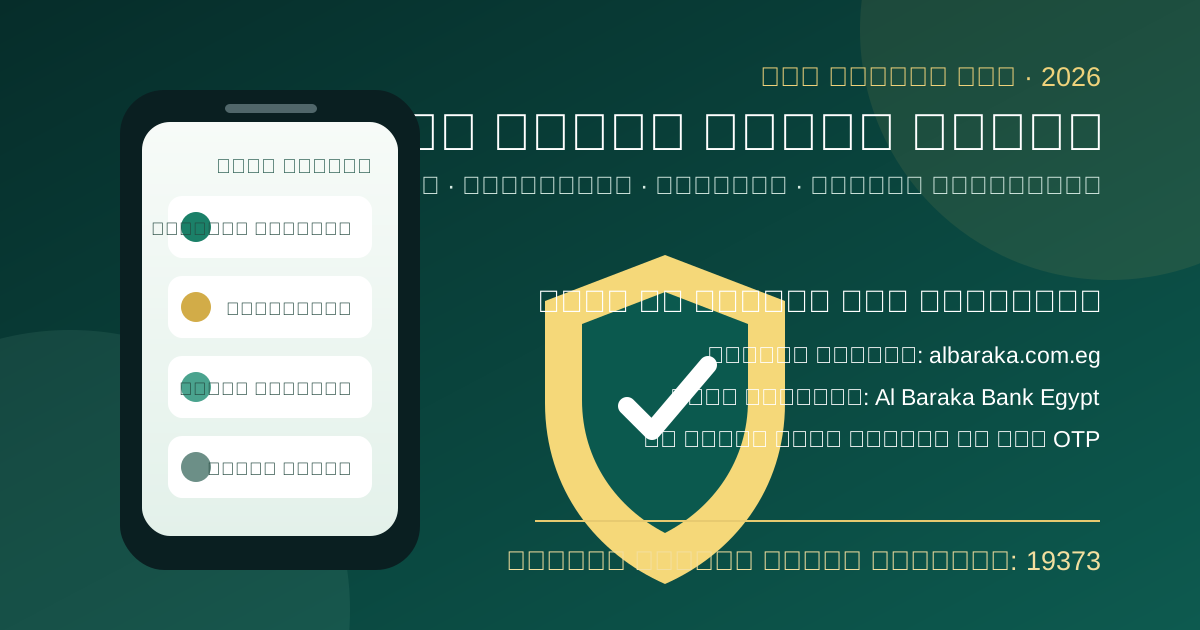
بعض المعاملات المالية تستخدم رمز تحقق لمرة واحدة أو أداة تحقق مستقلة. هذا الرمز وظيفته اعتماد المعاملة داخل القناة الرسمية فقط؛ لا يُملى لموظف في مكالمة، ولا يُرسل في محادثة، ولا يُكتب في صفحة وصل رابطها برسالة.
فرعان إلكترونيان خلال 2026: متى يفيدان العميل؟
وسّع بنك البركة مصر حضوره الرقمي الميداني في 2026 بافتتاح فرعه الإلكتروني الأول في التجمع الخامس خلال فبراير، ثم فرع إلكتروني ثانٍ في سموحة بالإسكندرية خلال يوليو. هذا النموذج لا يحول الموقع إلى فرع تقليدي جديد؛ قيمته أنه يضع أجهزة وخدمات ذاتية في نقطة مصرفية رسمية لمن يحتاج تنفيذ معاملة رقمية في موقع تابع للبنك.
| الموقع | الافتتاح | متى يكون مناسبًا؟ |
|---|---|---|
| التجمع الخامس | فبراير 2026 | عندما تحتاج قناة ذاتية ميدانية في القاهرة الجديدة أو مستندًا مرتبطًا بالخدمة. |
| سموحة ـ الإسكندرية | يوليو 2026 | عندما تحتاج نقطة رقمية رسمية في الإسكندرية بدل الاعتماد على رابط أو وسيط غير موثوق. |
قبل التوجه، حدد طبيعة المهمة: الاستعلام عن الرصيد والتحويل المعتاد يناسبان التطبيق أو بوابة الإنترنت، بينما المستند أو التعثر الفني أو الحاجة إلى دعم ميداني قد تجعل الفرع الإلكتروني أنسب. موقع الفرع لا يغير قواعد السرية؛ لا تسلم كلمة مرور أو OTP لأي شخص، واحتفظ برقم أي طلب أو معاملة تنفذها.
أي قناة تناسب معاملتك؟
| القناة | الاستخدام الأنسب | علامة التحقق |
|---|---|---|
| تطبيق الأفراد | متابعة الرصيد والحركة، التحويلات، الشيكات والبطاقات والطلبات اليومية | اسم المطور في المتجر: Al Baraka Bank Egypt |
| الموقع الرسمي | قراءة وصف الخدمة وشروطها والوصول إلى الروابط المصرفية الرسمية | النطاق: albaraka.com.eg |
| الفرع الإلكتروني | خدمة ذاتية ميدانية عندما تحتاج جهازًا مصرفيًا أو مستندًا أو مساعدة في موقع للبنك | الموقع مدرج ضمن قنوات البنك الرسمية |
| خدمة العملاء | الإبلاغ عن معاملة مشكوك فيها أو طلب رقم مرجعي لشكوى | الخط الساخن المنشور على موقع البنك: 19373 |
اختر القناة بحسب المهمة، لا بحسب الرابط الأسرع وصولًا إليك. عرض الأرصدة أو مراجعة حركة الحساب يناسب التطبيق، بينما الشكوى تحتاج قناة تمنحك رقمًا مرجعيًا يمكن متابعته. أما الصفحة التي تطلب بيانات حساسة بعد إعلان أو رسالة غير متوقعة فلا تصبح رسمية لمجرد أنها تعرض اسم البنك وشعاره.
قبل اعتماد أي تحويل
خطأ حرف واحد في IBAN أو اختيار مستلم محفوظ قديمًا يمكن أن يحول مشكلة تقنية إلى نزاع مالي. قبل اعتماد التحويل، يجب أن تظهر أمامك خمسة عناصر: اسم المستلم، ورقم الحساب أو IBAN، وقيمة التحويل وعملته، والرسوم المعروضة، والحساب الذي سيُخصم منه المبلغ.
| بعد المعاملة | سبب الاحتفاظ به |
|---|---|
| الرقم المرجعي للعملية | هو مفتاح التتبع لدى البنك عند التأخير أو النزاع. |
| التاريخ والوقت | يفصل بين عملية معلقة وخصم وقع في دورة معالجة أخرى. |
| حالة التنفيذ | «مكتملة» تختلف عن «قيد المعالجة» أو «مرفوضة». |
| قيمة الرسوم الظاهرة | تتيح مطابقة ما وافقت عليه مع ما خُصم فعليًا. |
| الرصيد بعد الخصم | يكشف الخصم المكرر أو قيمة غير متوقعة بسرعة. |
حدود التحويل والرسوم قد تختلف باختلاف القناة ونوع المستفيد. المرجع العملي هو شاشة الملخص قبل اعتماد المعاملة وجدول العمولات المنشور من البنك؛ سجّل القيمة التي ظهرت لك بدل الاعتماد على رقم متداول خارج القناة الرسمية.
الأمان الرقمي: ما الذي لا تشاركه أبدًا؟
تعليمات بنك البركة مصر المنشورة تؤكد سرية بيانات الحساب وعدم مشاركتها عبر المكالمات أو الرسائل أو شبكات التواصل. ويشمل ذلك اسم المستخدم، وكلمة المرور، والرقم السري للبطاقة، ورمز الأمان الخلفي، ورمز التحقق لمرة واحدة. البنك المركزي المصري يضع مكافحة الاحتيال والأمن السيبراني ضمن الإطار الرقابي للبنوك، لكن حماية العملية تبدأ من عدم نقل هذه البيانات خارج القناة التي بدأت فيها المعاملة.
- الرابط: ابدأ من النطاق الرسمي للبنك أو صفحة التطبيق في المتجر، لا من إعلان أو رسالة مختصرة.
- اسم المطور: التطبيق الرسمي للأفراد منشور باسم Al Baraka Bank Egypt.
- المكالمة: من يطلب كلمة المرور أو OTP لا يحتاج هذه البيانات لخدمة شكوى أو إيقاف بطاقة.
- الجهاز: استخدم جهازًا خاصًا ومحدثًا ومحميًا من البرمجيات الضارة، وفق تعليمات السلامة التي ينشرها البنك.
- الإشعار: راجع المبلغ والمستلم داخل القناة الرسمية نفسها؛ لا تعتمد نص الرسالة وحده لإثبات نجاح التحويل.
ماذا تفعل عند الاشتباه في صفحة أو تحويل؟
- أوقف التفاعل مع الصفحة ولا ترسل أي بيانات إضافية.
- اتصل ببنك البركة مصر على الرقم الرسمي 19373 واذكر أن البلاغ يتعلق بمعاملة رقمية أو انتحال اسم البنك.
- جهز الرقم المرجعي، وتوقيت العملية، وقيمتها، وبيانات المستلم، ونسخة من الرسالة أو الصفحة المشبوهة.
- اطلب رقمًا مرجعيًا للشكوى واحتفظ بتاريخ تقديمها والردود المكتوبة.
- إذا لم تُحل الشكوى عبر البنك، استخدم بوابة الشكاوى الرسمية لدى البنك المركزي المصري مع إرفاق رقم شكوى البنك والمستندات.
ينشر البنك كذلك بريد حقوق العملاء clients.rights@alBaraka-bank.com.eg على صفحة التواصل الرسمية. وجود رقم شكوى ورسالة مكتوبة يجعل متابعة الواقعة أوضح من تكرار مكالمات بلا مرجع.
الوضع التنظيمي والرقمي في 2026
يعمل بنك البركة مصر باسمه الحالي ككيان مصرفي مصري خاضع لرقابة البنك المركزي المصري، وتظهر إفصاحاته في البورصة المصرية. شهد عام 2026 تشكيل مجلس إدارة للدورة 2026–2029 وتوسّعًا في القنوات الإلكترونية، ما يؤكد استمرار العلامة والكيان المصرفي في السوق المصري.
التحول الرقمي لا يلغي دور الفرع أو إدارة الشكاوى. القناة الإلكترونية مناسبة للمعاملة اليومية الموثقة، أما واقعة الاحتيال أو الخصم المختلف فتحتاج رقمًا مرجعيًا ومستندات ومسار شكوى يبدأ لدى البنك ثم ينتقل إلى البنك المركزي عند الحاجة.
الفرع الإلكتروني لا يستبدل مسار الشكوى
إذا كانت المشكلة خصمًا مكررًا أو تحويلًا لم يصل أو صفحة تنتحل اسم البنك، فالأولوية لتجميد الخطر وتوثيق الواقعة، لا لإعادة المحاولة على جهاز آخر. اتصل بالرقم الرسمي 19373، وقدّم الرقم المرجعي والقيمة والتوقيت وبيانات المستلم، ثم احصل على رقم شكوى. يمكن للفرع الإلكتروني أن يوفر نقطة خدمة رسمية، لكنه لا يغني عن تسجيل الشكوى لدى بنك البركة مصر والاحتفاظ بالرد المكتوب. وعند عدم حل النزاع، يكون رقم شكوى البنك والمستندات أساس التصعيد إلى البنك المركزي المصري.